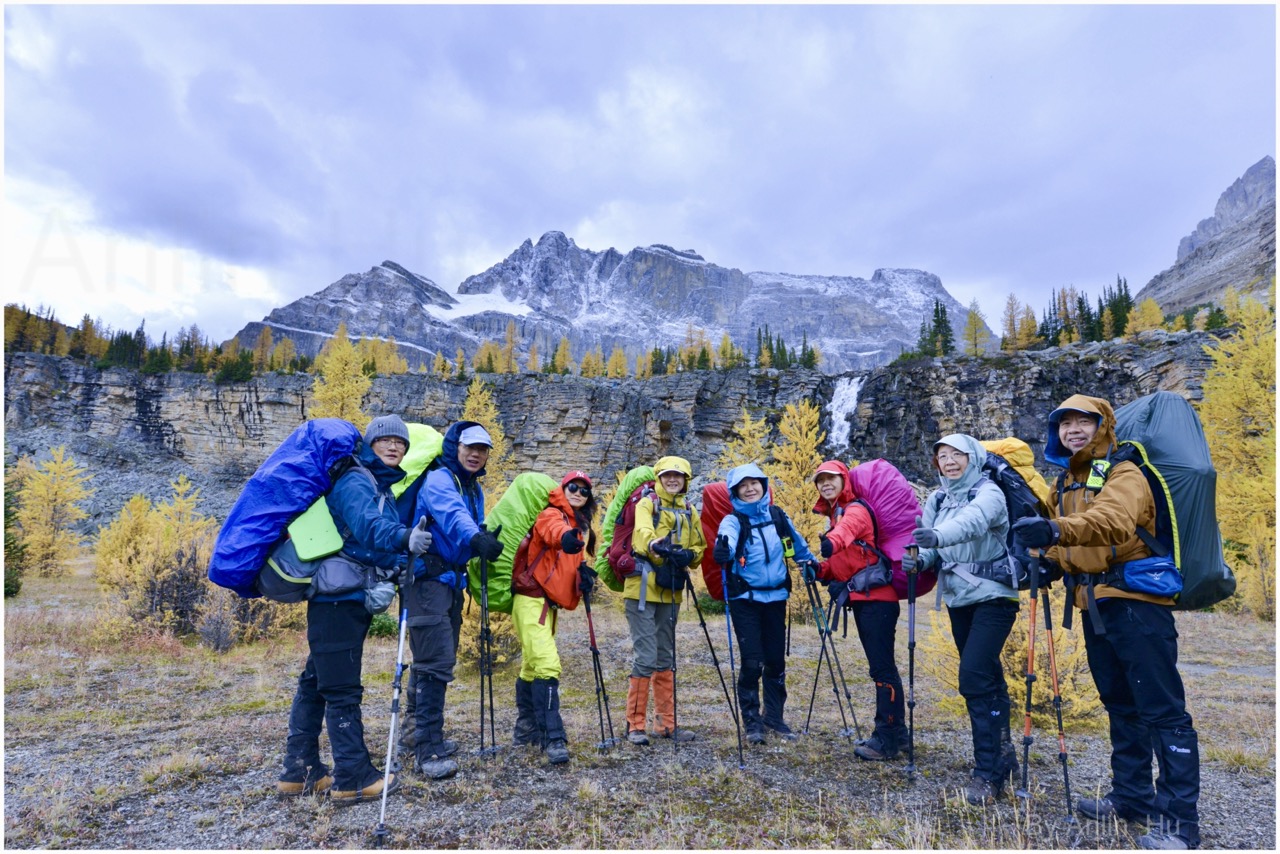
Backcountry Backpacking Trip Planning
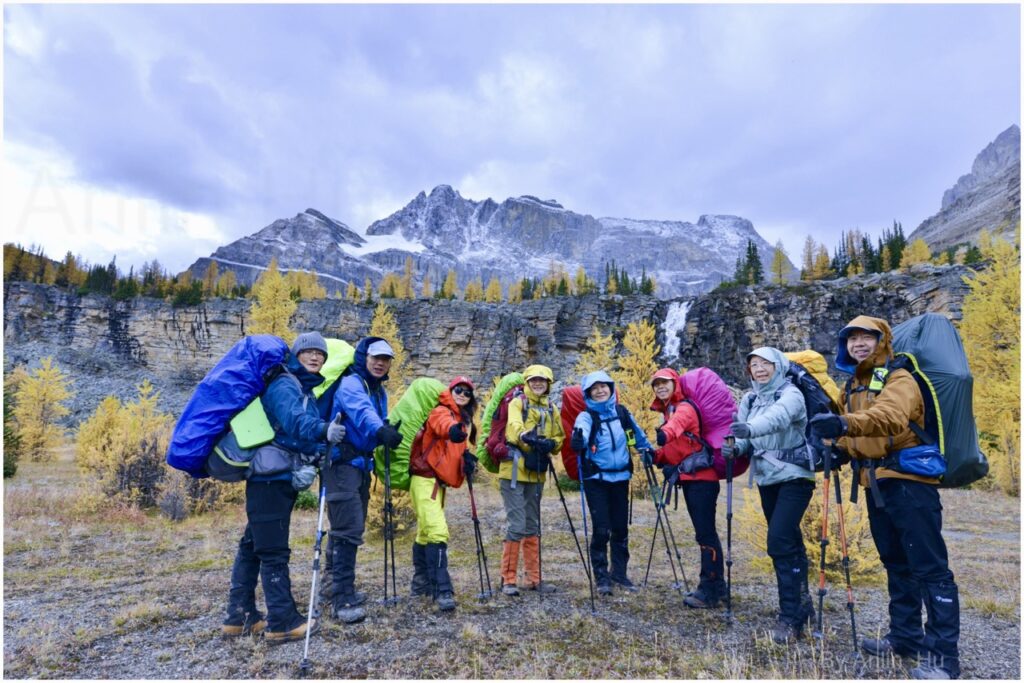
Planning, Preparation, and Safety Tips for a Successful Adventure
Backcountry backpacking is one of the most rewarding ways to experience the outdoors. Whether you are exploring the stunning wilderness of British Columbia, trekking through alpine meadows, or camping beside a remote mountain lake, proper preparation is the key to a safe and enjoyable trip.
Many new backpackers focus mainly on gear, but successful trips also require careful route planning, weather monitoring, emergency preparedness, and sound decision-making in the backcountry.
Drawing inspiration from the MEC Backpacking Checklist and incorporating practical experience from PNOA leaders and members, here are some important recommendations for your next adventure.
1. Trip Planning Comes First
Before packing your backpack, spend time planning your trip:
- Research trail conditions and current reports.
- Check distance, elevation gain, and estimated hiking time.
- Understand water sources along the route.
- Identify campsites and backup camping options.
- Know the locations of river crossings, snowfields, and technical sections.
- Leave a detailed trip plan with family or friends.
- Inform them of your expected return time and emergency contacts.
Always choose a route that matches the experience and fitness level of your group.
2. Monitor Weather Forecasts
Mountain weather can change rapidly.
Recommended forecast sources include:
- Environment Canada
- Mountain Forecast
- SpotWX
- Local avalanche or park reports when applicable
Check forecasts:
- Several days before departure
- The night before your trip
- The morning of departure
Be prepared for:
- Rain
- Snow
- Strong winds
- Sudden temperature drops
- Thunderstorms
A beautiful forecast can change quickly in alpine environments.
3. Essential Emergency Communication Devices
Cell phone coverage is often unavailable in the backcountry.
Consider carrying:
Garmin inReach
A satellite communicator that allows:
- Two-way messaging
- Weather updates
- GPS tracking
- SOS emergency activation
Personal Locator Beacon (PLB)
A PLB sends an emergency distress signal directly to international rescue satellites when activated.
These devices can significantly improve emergency response times during serious incidents.
Remember:
Technology does not replace good judgment, but it can save lives when emergencies occur.
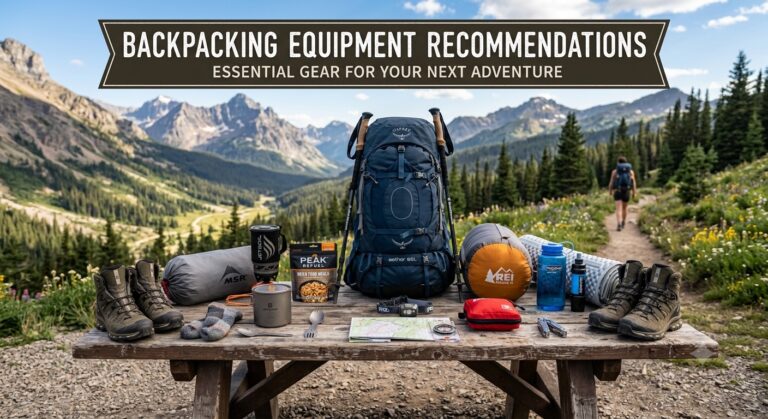
4. Essential Backpacking Gear
Shelter & Sleep System
- Tent
- Sleeping bag
- Sleeping pad/mat
Clothing
- Base layer shirt and pants
- Extra underwear and socks
- Disposable underwear (optional)
- Down vest
- Down jacket
- Waterproof jacket
- Waterproof pants
- Hat
- Neck gaiter or buff
- Hiking gloves
- Sunglasses
- Swimsuit (optional)
Footwear
- Hiking boots
- Trail runners or camp shoes
- Gaiters
- Microspikes or crampons (depending on season)
- Hiking poles
Water & Hydration
- Water bottles or hydration reservoir
- Thermos bottle
- Water filtration system or purification tablets
Cooking Equipment
- Stove
- Fuel
- Lighter
- Knife or multitool
- Cooking pot and utensils
Electronics
- Cell phone
- Charging cable
- Power bank
- Spare batteries
- Headlamp
Navigation
- GPS device
- Offline maps
- Paper map
- Compass
Safety Equipment
- First Aid kit
- Whistle
- Emergency blanket
- Repair tape
- Rope or cord
- Elastic bands
Personal Items
- Passport or identification
- Medical card
- Credit card and cash
- Pen
- Tissue
- Nail clipper
- Headphones
Toiletries
- Toothbrush
- Toothpaste
- Shampoo
- Body wash
- Face cleanser
- Dental floss
- Mouthwash
- Disinfectant wipes
5. Food Planning
Choose lightweight, high-energy foods.
Examples include:
- Granola bars
- Energy bars
- Dried fruit
- Instant oatmeal
- Tea bags
- Milk powder
- Chicken broth packets
- Seaweed snacks
- Nuts and trail mix
- Electrolyte supplements
Plan approximately:
- 2,500–4,000 calories per day depending on activity level and weather conditions.
Always carry extra emergency food.
6. Personal Medications
Bring enough medication for the entire trip plus extra in case of delays.
Common items include:
- Allergy medication
- Anti-diarrheal medication
- Pain relievers
- Vitamin C
- Blister treatment supplies
7. Travel Documents
For longer trips or destination backpacking adventures, remember:
- Flight tickets
- Campsite reservations
- Hostel reservations
- Bus tickets
- Park permits
Keep digital copies on your phone and paper backups when appropriate.
8. Leave No Trace
Help protect our wilderness:
- Pack out all garbage.
- Respect wildlife.
- Stay on established trails.
- Minimize campfire impacts.
- Leave campsites cleaner than you found them.
- Respect other trail users.
The goal is simple:
Take only photos, leave only footprints, and bring home wonderful memories.
Final Thoughts
Backcountry backpacking is not just about reaching a destination. It is about preparation, teamwork, risk management, and enjoying nature responsibly.
A well-planned trip can create unforgettable memories, while good preparation can prevent minor problems from becoming serious emergencies.
Whether you are heading to Mount Assiniboine, Berg Lake, Elfin Lakes, or a remote alpine destination, remember:
The mountain will always be there. Your safety comes first.
Happy backpacking and safe adventures!
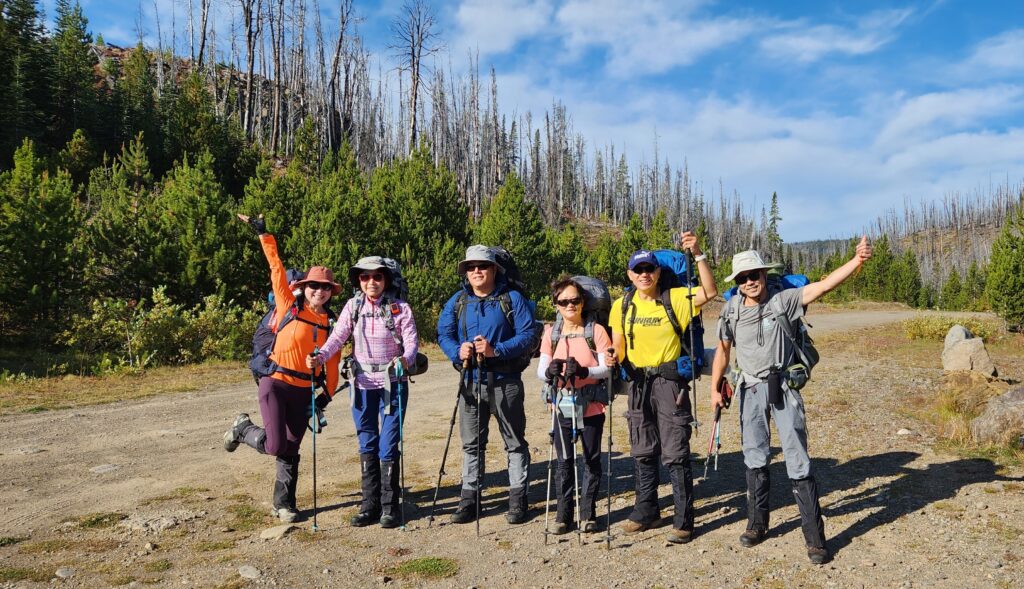
后山露营(Backcountry Backpacking)装备与安全计划
做好准备,享受安全愉快的户外探险
后山露营(Backcountry Backpacking)是体验大自然最美好的方式之一。无论是在卑诗省壮丽的高山湖泊、辽阔草甸,还是偏远山谷中露营,充分的准备都是安全与乐趣的关键。
许多新手把重点放在装备上,但成功的后山之旅不仅需要装备齐全,更需要路线规划、天气评估、风险管理以及应急准备。
参考 MEC Backpacking Checklist,并结合 PNOA 领队及队员的经验,以下是后山露营的重要建议。
一、行前规划最重要
出发前请做好以下准备:
- 研究路线和最新路况
- 了解总距离和爬升高度
- 估算所需时间
- 确认补水点位置
- 确认营地位置
- 了解河流横渡、雪坡及危险路段
- 向家人朋友留下行程计划
- 告知预计返回时间
请选择符合团队经验和体能水平的路线。
二、密切关注天气变化
山区天气变化迅速。
建议参考:
- 加拿大环境部(Environment Canada)
- Mountain Forecast
- SpotWX
- 公园及雪崩资讯网站
至少检查:
- 出发前三天
- 出发前一晚
- 出发当天早上
要为以下情况做好准备:
- 下雨
- 下雪
- 强风
- 低温
- 雷暴
即使天气预报显示晴天,高山环境仍可能快速变化。
三、建议携带卫星求救设备
很多山区没有手机讯号。
Garmin inReach
功能包括:
- 双向卫星短信
- 天气更新
- GPS定位
- SOS紧急求救
PLB(Personal Locator Beacon)
个人定位求救信标
发生重大紧急情况时,可向国际搜救卫星系统发送求救讯号。
这些设备能大大提高搜救效率。
请记住:
科技无法取代经验与判断,但在关键时刻可能挽救生命。
四、建议装备清单
住宿睡眠系统
- 帐篷
- 睡袋
- 睡垫
衣物系统
- 排汗内衣裤
- 备用内衣袜子
- 一次性内裤
- 羽绒背心
- 羽绒外套
- 防水外套
- 防水裤
- 帽子
- 魔术头巾
- 手套
- 太阳眼镜
- 泳衣(视情况)
鞋类
- 登山鞋
- 跑鞋或营地鞋
- 雪套
- 冰爪或微型冰爪
- 登山杖
饮水系统
- 水瓶
- 保温瓶
- 滤水器或净水片
炊具
- 炉头
- 燃料
- 打火机
- 刀具
- 炊具餐具
电子设备
- 手机
- 充电线
- 行动电源
- 备用电池
- 头灯
导航装备
- GPS
- 离线地图
- 纸本地图
- 指南针
安全装备
- 急救包
- 哨子
- 紧急保温毯
- 修补胶带
- 绳索
- 橡皮筋
个人用品
- 护照或身份证件
- 医疗卡
- 信用卡及现金
- 纸巾
- 耳机
- 指甲剪
- 笔
盥洗用品
- 牙刷牙膏
- 洗发精
- 沐浴乳
- 洗面乳
- 牙线
- 漱口水
- 消毒湿巾
五、食物规划
建议选择高热量、轻量化食品:
- 能量棒
- 谷物棒
- 果干
- 即食燕麦
- 茶包
- 奶粉
- 鸡汤包
- 海苔
- 坚果
- 电解质补充剂
每天建议准备约:
2500–4000卡路里
并额外携带紧急备用粮食。
六、药品准备
建议携带:
- 过敏药
- 止泻药
- 止痛药
- 维他命C
- 水泡护理用品
并预留额外份量以防延误。
七、旅行文件
长途或跨区域行程别忘记:
- 机票
- 营地预订文件
- 青旅预订文件
- 巴士车票
- 公园许可证
建议同时保留电子版和纸本备份。
八、无痕山林原则(Leave No Trace)
- 所有垃圾自行带走
- 尊重野生动物
- 不离开既有步道
- 减少营火影响
- 营地恢复原状
- 尊重其他使用者
做到:
除了脚印什么都别留下,除了照片什么都别带走。
结语
后山露营不仅是走进大自然,更是一次关于计划、团队合作、风险管理和责任感的学习过程。
完善的准备能让旅程更加安全,也能避免小问题演变成紧急事故。
无论您前往阿西尼博因山(Assiniboine)、伯格湖(Berg Lake)、精灵湖(Elfin Lakes)还是任何偏远高山目的地,请牢记:
山永远都在,安全回家最重要。
祝大家背包旅行愉快,平安归来!